EN
EN
 AR
AR
 BG
BG
 HR
HR
 CS
CS
 DA
DA
 NL
NL
 FI
FI
 FR
FR
 DE
DE
 EL
EL
 IT
IT
 JA
JA
 KO
KO
 NO
NO
 PL
PL
 PT
PT
 RO
RO
 RU
RU
 ES
ES
 SV
SV
 TL
TL
 ID
ID
 SR
SR
 SL
SL
 VI
VI
 SQ
SQ
 HU
HU
 TH
TH
 TR
TR
 MS
MS
 GA
GA
 MK
MK
 HY
HY
 AZ
AZ
 BN
BN
 MN
MN
 MY
MY
 KK
KK
 UZ
UZ
 JOZO GROUP
 JOZO GROUP
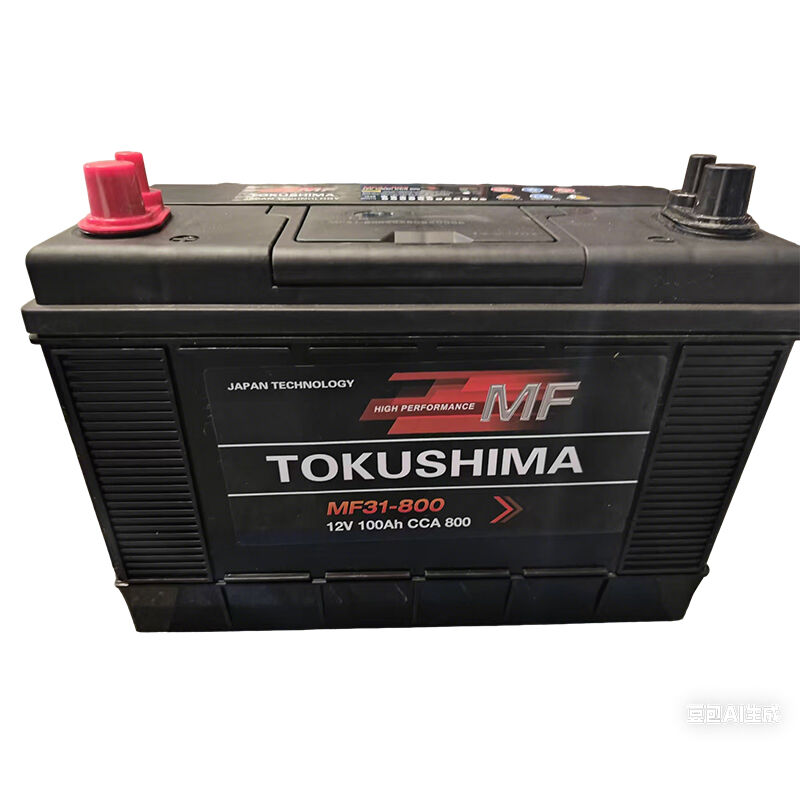
A dead or weak battery is a common frustration for drivers. Knowing how to properly and safely charge your car battery is an essential skill that can save you time, money, and hassle. While the fundamental principle is similar for most batteries, important differences exist between technologies. This guide will walk you through the general process and highlight key considerations for various battery types, from standard lead acid starter batteries to advanced li battery for car options.
Essential Safety and Preparation
Before you begin, safety is paramount. Work in a well-ventilated area, as batteries can emit flammable gases. Wear safety glasses and gloves. You will need a compatible battery charger. For tasks involving removal, gather the necessary tools to remove battery from car, typically a set of wrenches or sockets (often 10mm) and possibly pliers to disconnect the terminal clamps. Always consult your vehicle's owner manual for specific instructions and locations. Ensure the charger is off and unplugged before making any connections.
Charging a Standard 12V Battery
The most common type is the automotive lead acid battery, which includes standard flooded, AGM, and EFB battery (Enhanced Flooded Battery) types. Here’s the basic process for charging a 12v battery:
-
Clean and Inspect: Check the car lead acid battery for cracks, leaks, or corrosion. Clean any corrosion from the terminals.
-
Connect the Charger: With the charger OFF and unplugged, connect the red (positive +) clamp to the battery's positive terminal. Then, connect the black (negative -) clamp to the battery's negative terminal or a solid, unpainted metal part of the chassis (ground).
-
Set the Charger: For a standard lead acid starter battery, set your charger to 12 volts. If it's a modern smart charger, select the correct program (e.g., "Standard," "AGM," or "EFB"). An EFB battery, common in start-stop vehicles, requires a charger compatible with EFB or AGM modes to prevent damage.
-
Start Charging: Plug in the charger and turn it on. Let the battery charge fully. A smart charger will automatically switch to a maintenance mode once complete.
-
Disconnect Safely: Once charged, turn the charger off, unplug it, then disconnect the clamps in reverse order (negative first, then positive).
Considerations for Different Battery Types
Not all batteries are the same, and using the wrong charging method can cause damage or create a safety hazard.
-
Li Battery for Car: A li battery for car (lithium-ion) requires a specialized charger designed for lithium chemistry. Using a standard lead-acid charger can be extremely dangerous and may cause fire. Always use the manufacturer-recommended equipment.
-
Truck Battery: A heavy-duty truck battery is still a 12v battery but often has a higher capacity (measured in Ah). Use a charger robust enough to handle the larger capacity, but the fundamental charging steps remain the same as for an automotive lead acid battery.
-
High Performance Car Battery: Vehicles with a high performance car battery—often AGM or lithium types—may have sensitive electronics. Use a high-quality, mode-compatible smart charger to maintain peak performance and longevity.
-
RC Car Battery: While not for road cars, an rc car battery (often LiPo or NiMH) serves as a good contrast. It underscores the critical rule: always use a charger specifically designed for your battery's chemistry and voltage.
-
Lead Acid Battery for Electric Car: Note that a lead acid battery for electric car typically refers to the auxiliary 12-volt battery that powers accessories, not the main high-voltage traction battery. This small 12v battery can be jumped or charged using standard methods if it goes dead.
Conclusion
Successfully charging a 12v battery hinges on three key factors: following safety protocols, using the correct tools to remove battery from car if necessary, and most importantly, matching your charger to the specific battery technology. Whether you're maintaining a conventional car lead acid battery, an EFB battery in a city car, or a sophisticated li battery for car, always prioritize the manufacturer's guidelines. When in doubt, consult a professional to ensure the safety of both you and your vehicle's electrical system.