EN
EN
 AR
AR
 BG
BG
 HR
HR
 CS
CS
 DA
DA
 NL
NL
 FI
FI
 FR
FR
 DE
DE
 EL
EL
 IT
IT
 JA
JA
 KO
KO
 NO
NO
 PL
PL
 PT
PT
 RO
RO
 RU
RU
 ES
ES
 SV
SV
 TL
TL
 ID
ID
 SR
SR
 SL
SL
 VI
VI
 SQ
SQ
 HU
HU
 TH
TH
 TR
TR
 MS
MS
 GA
GA
 MK
MK
 HY
HY
 AZ
AZ
 BN
BN
 MN
MN
 MY
MY
 KK
KK
 UZ
UZ
 JOZO GROUP
 JOZO GROUP
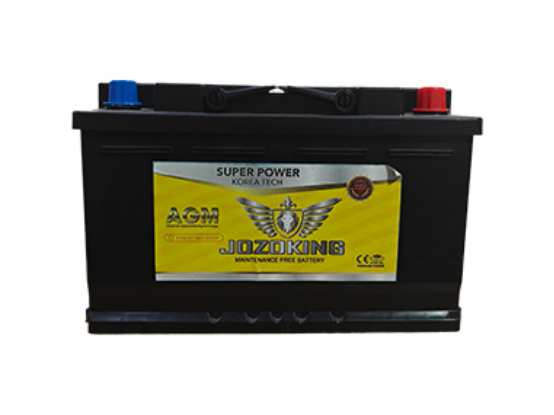
Electric cars have revolutionized the way we think about cars, and offer a cleaner form of transportation compared to gas guzzlers. Most of them have a similar purpose in life, and that is driving the electric motor and deciding how far, on one charge, you can get before evacuating all over yourself by cutting it too fine. But over time, such batteries can degrade just the way anything else in a car does. Knowing when to change the battery in your electric car is vital to maintaining its performance and safety, as well as personal driving experience. In this article we will cover a few key indicators and strategies to help you determine when it’s time for a battery replacement, so that you can make an informed decision sooner rather than later – you’ll waste less of your own time waiting around and spend even fewer extra dollars needlessly.
Signs of Battery Degradation
These unusual performances are some of the simplest ways to determine if you need to replace your lithium car battery. A sudden drop in distance is often the first red flag. If your electric vehicle can travel less distance following a full charge, even if your driving style and trip data remains consistent, battery cells may be degrading. These stretches can start to appear pretty inconsequentially, but add up hugely over weeks and months (you know on your commute or on the motorway etc.) Obvious signs of use include the battery taking longer to charge, or not holding a charge as well. Other symptoms might be inconsistent power delivery, either sluggish acceleration or rapid shutdowns, which would suggest internal battery problems. Sure, you can expect wear with age, but when these things start to affect your driving and how you use the car then perhaps it’s time to do a little probing.
Monitoring Battery Health
Modern electric cars usually have an on-board device to help in diagnosing the health of a lithium battery. There, those utilities can give you displays (similar to a dashboard) or a mobile app companion that will share details like overall battery health, how many charges cycles it has gone through and just how effectively your battery is working. That’s because monitoring such factors can serve as a good warning of trouble ahead. For instance, many systems tell you how much your battery is healthy by showing how much of its capacity is still left compared with when it was new. It is reasonable to consider upgrading when the heat exchange ratio is below 70-80 per cent. Skilled expertise: On top testing the vehicle itself, you also get a detailed written and photographic report from experts who examine much more into a vehicle. They are also able to experiment with the voltage consistency, internal resistance and heat generation - all important indices in the definition of battery life. With these methods of monitoring carefully followed, you will be detecting the problems early before they run out of control and then your electric car would be efficient and reliable to serve the purpose of many years.
When to Consider Replacement
If the behavior is not what you would like it to be anymore, because your battery has degraded so far that you have to recharge every hour for short commutes, then it could be interesting. Safety is the considerations but, in most cases, batteries compartment shall be acted when noticed obvious signs of damaged shape (swelling, leaks and different odor etc.) scents that dangerous failures may occur during use. Moreover, consider the economic aspect. Compare the price of a new battery to ongoing repairs or depreciation. Well, for some of us swapping out an old battery in our electric car can bring it back to life and make it last longer, good investment. Expertise and warranty considerations could tip your hand in the end, but you'll be the one to determine a path worth taking for best performance, safety and economics in your case.
In the final analysis, in the decision on switching out an electric vehicle’s li-ion battery pack you’d want to do a mix of observing life and using sensing tools measuring against some lose reality. And if you concentrate on those items, you can keep your vehicle running in good order and top form, so it remains efficient and reliable from the get-go that electric driving is meant to be. Because, after all, that kind of thing on time can make the difference between minor inconvenience and major hassle for you as well as for your travels.