EN
EN
 AR
AR
 BG
BG
 HR
HR
 CS
CS
 DA
DA
 NL
NL
 FI
FI
 FR
FR
 DE
DE
 EL
EL
 IT
IT
 JA
JA
 KO
KO
 NO
NO
 PL
PL
 PT
PT
 RO
RO
 RU
RU
 ES
ES
 SV
SV
 TL
TL
 ID
ID
 SR
SR
 SL
SL
 VI
VI
 SQ
SQ
 HU
HU
 TH
TH
 TR
TR
 MS
MS
 GA
GA
 MK
MK
 HY
HY
 AZ
AZ
 BN
BN
 MN
MN
 MY
MY
 KK
KK
 UZ
UZ
 JOZO GROUP
 JOZO GROUP
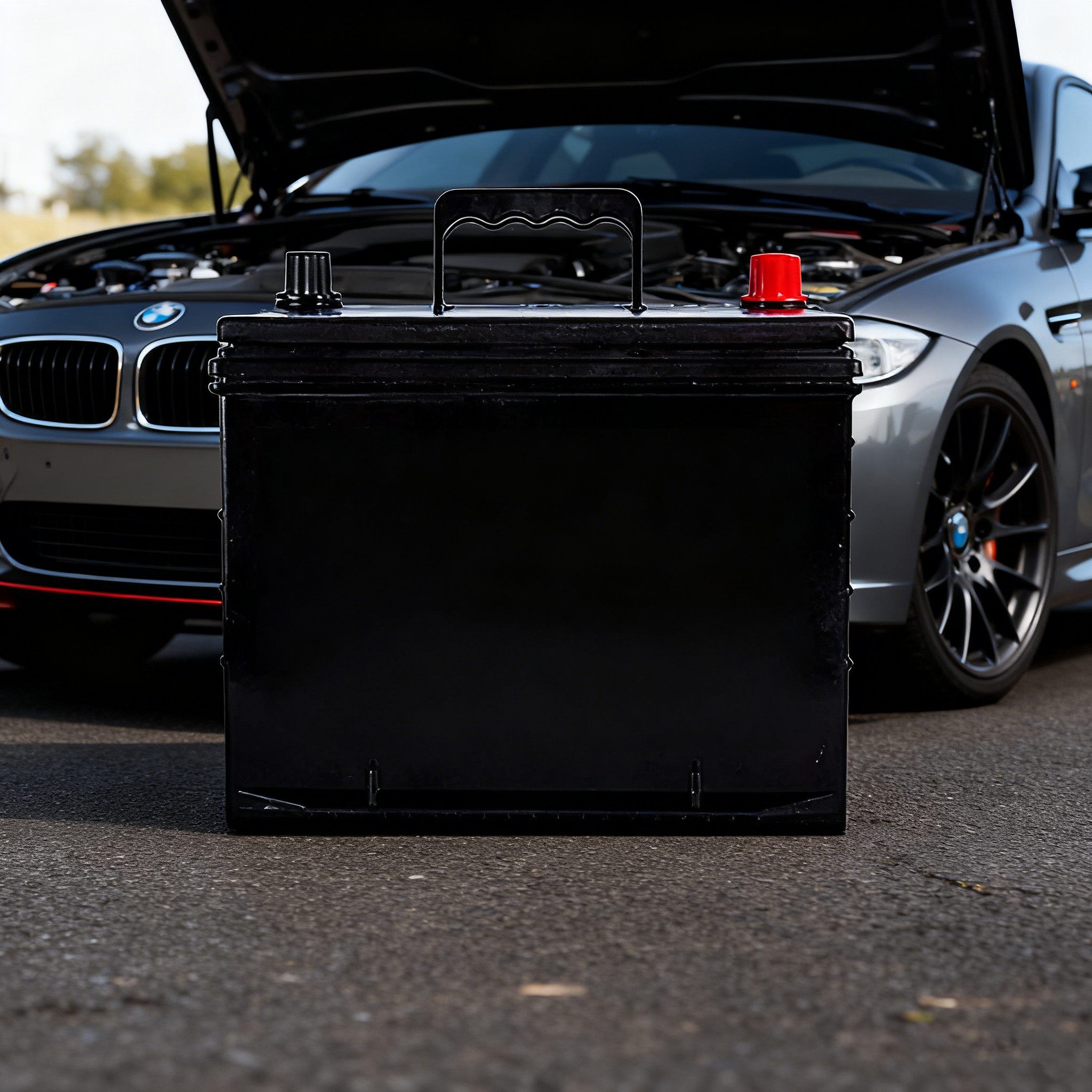
How to Install a Car Battery?
Installing a new car battery is a straightforward task that can save you money on labor costs. However, with the variety of battery technologies available today—from traditional lead-acid to advanced lithium-ion—the installation process requires attention to detail and an understanding of the specific battery type you're handling. This guide will walk you through the steps and highlight the critical differences between technologies, ensuring a safe and successful installation.
1.Safety First and Required Tools
Before beginning, prioritize safety. Wear gloves and safety glasses to protect against acid and corrosion. Ensure the vehicle is parked on a level surface with the engine off and the keys removed from the ignition.
Gather the necessary tools to remove battery from car. You'll typically need:
-
A set of wrenches or sockets (usually 8mm, 10mm, or 13mm)
-
Battery terminal cleaner or wire brush
-
Anti-corrosion washers or spray
-
Battery hold-down tool or socket
Having these tools ready will streamline the process and prevent frustration.
2.Removing the Old Battery
Proper removal is crucial to avoid damage to your vehicle's electrical system. Always follow the correct order when disconnecting cables.
-
Identify Terminals: Locate the car battery terminal connections. The positive terminal is usually marked with a red cover or a plus (+) sign, while the negative is marked with black or a minus (-) sign.
-
Disconnect Negative First: Using your wrench, loosen the bolt on the negative (black) terminal clamp and remove the cable. Tuck it safely away from the battery to prevent accidental reconnection. Disconnecting the negative first eliminates the risk of shorting the battery if your wrench touches a grounded metal surface.
-
Disconnect Positive: Next, loosen and remove the positive (red) terminal cable.
-
Remove Hold-Down: Locate and remove the bracket or clamp securing the battery in place. Lift the old battery out carefully. Remember, a standard 12v battery can weigh 30-50 pounds, while a truck battery can be even heavier. Lift with your legs, not your back.
3.Understanding Different Battery Technologies
Before installing your new battery, it's essential to understand the specific technology you're working with. Each type has unique characteristics and installation considerations.
Automotive Lead Acid Battery: This is the traditional automotive lead acid battery, including standard flooded types. They are reliable, affordable, and widely available. When installing, ensure proper ventilation as they can emit gases. These remain the most common truck battery choice for standard applications.
AGM Automotive Battery: An agm automotive battery (Absorbent Glass Mat) is a more advanced lead-acid design. Unlike flooded batteries, they are spill-proof, have lower internal resistance, and handle deep discharges better. They are common in vehicles with start-stop systems and high electrical demands. No special installation steps beyond standard procedure, but they are more sensitive to overcharging, so ensure your vehicle's charging system is compatible.
EFB Battery: An efb battery (Enhanced Flooded Battery) is an improved version of the wet cell battery. It bridges the gap between standard flooded and AGM technology. Often found in entry-level start-stop vehicles, efb battery types offer better cycle life than standard batteries. Installation is identical to standard lead-acid, but like AGM, they benefit from a compatible charging system.
Lithium Ion Car Battery: This category requires the most careful distinction. There are two entirely different applications for lithium in vehicles:
-
Starting Lithium Battery (Lithium Ion Car Battery for Starting): These are designed specifically to replace traditional automotive lead acid battery units for engine starting. They are dramatically lighter (often 70% less weight) and can deliver high cranking amps. However, they require a compatible alternator and charging system. Most are drop-in replacements but may need a battery management system (BMS) interface. Always verify compatibility with your vehicle's make and model.
-
Traction Lithium Battery (Not for Starting): This refers to the large high-voltage battery pack that powers electric vehicles (EVs). This is not a standard 12v battery and is never serviced by a DIY mechanic. These packs operate at 400V or 800V and contain hundreds of individual cells. Installation is only performed by trained technicians with specialized equipment due to extreme electrical hazards.
3.Installing the New Battery
Once you understand your battery type, follow these steps for installation:
-
Clean Terminals and Tray: Before placing the new battery, clean the car battery terminal clamps and the battery tray using a wire brush. Apply anti-corrosion solution or install felt washers on the terminals.
-
Position the Battery: Carefully place the new 12v battery into the tray, ensuring it sits level and secure. For a truck battery, ensure it fits snugly in the larger tray.
-
Secure the Hold-Down: Reinstall and tighten the bracket or clamp. A loose battery can vibrate, leading to internal damage and premature failure.
-
Connect Positive First: Attach the positive (red) cable to the positive terminal. Tighten securely but avoid overtightening.
-
Connect Negative: Attach the negative (black) cable to the negative terminal and tighten.
-
Double-Check: Ensure both connections are tight and the battery is firmly secured.
4.Final Steps and Post-Installation
After installation, there are a few final considerations:
-
Verify Function: Start the vehicle to confirm everything works correctly.
-
Radio and Memory: Many modern vehicles may require a radio code or need to relearn idle settings after battery disconnection. Consult your owner's manual.
-
Battery Registration: Some European and high-end vehicles require battery registration—especially when switching between types like from automotive lead acid battery to agm automotive battery or lithium ion car battery. This tells the vehicle's computer the new battery type and capacity for proper charging.
-
Disposal: Recycle your old battery properly at an auto parts store or recycling center. Never discard it in household trash.
5.When to Consider Car Battery Repair
While installation is common, some may wonder about car battery repair. For standard automotive lead acid battery types, internal repair (like replacing cells) is rarely practical or safe. However, addressing external issues—such as cleaning corroded terminals, repairing damaged cables, or replacing terminal connectors—can extend battery life. For agm automotive battery or efb battery types, internal repair is impossible for DIYers. If a lithium ion car battery for starting fails, it typically requires replacement, not repair, due to the complexity of the BMS and cell balancing. True car battery repair is best left to professionals and usually only applies to reconditioning lead-acid batteries or servicing external connections.
6.Conclusion
Installing a new 12v battery is a rewarding DIY task when approached with knowledge and caution. Whether you're replacing a standard automotive lead acid battery, an agm automotive battery, an efb battery, or a specialized lithium ion car battery for starting, understanding the technology ensures compatibility and safety. Remember that truck battery installations follow the same principles, and having the right tools to remove battery from car makes all the difference. Always prioritize clean car battery terminal connections and proper disposal. While car battery repair is limited, a proper installation ensures reliable performance for years to come.