
The battery on your motorcycle or ATV may seem like a small part, but the TOKUSHIMA YTZ10S is a crucial part. You can consider this as the spam of your car’s heart. Much like your lungs give you the energy to run and play, this battery powers your motorcycle or ATV. If you have a good battery, your vehicle can start up and run fine. An excellent motorcycle or ATV will leave you stranded without a quality Automotive Battery. That goes to show how crucial this battery is to your outings and adventures.
You may be asking why you should choose a TOKUSHIMA YTZ10S battery over other batteries. Well, let me tell you. The batteries were specifically designed for vehicles, including motorcycles and ATVs. They are made to absorb the bumps and vibrations you experience when riding. On top of that they can perform well in both hot and cold weather, which is super important when you are on the road or off-road. TOKUSHIMA battery have long working life without any problem. So you can have more fun rides and less battery anxiety.
Now here’s the thing about how this battery works. The battery itself has components known as lead-acid cells. These cells built within the battery store energy through chemical reactions, and when it comes time to turn on your motorcycle or ATV, the battery delivers that stored energy to the engine. This is how the engine turns on and moves your vehicle. That’s why it’s’ll never be more important to make sure your battery is fully charged ahead of a ride. For reference, the YTZ10S battery has an 8.6 amp-hour capacity. That means, it would be able to run your vehicle enough time before getting recharged.
Next periodically check the water level in battery. To find out if your EV Battery Series needs servicing, look for a special “eye” in the case. This will let you see if it requires additional water.
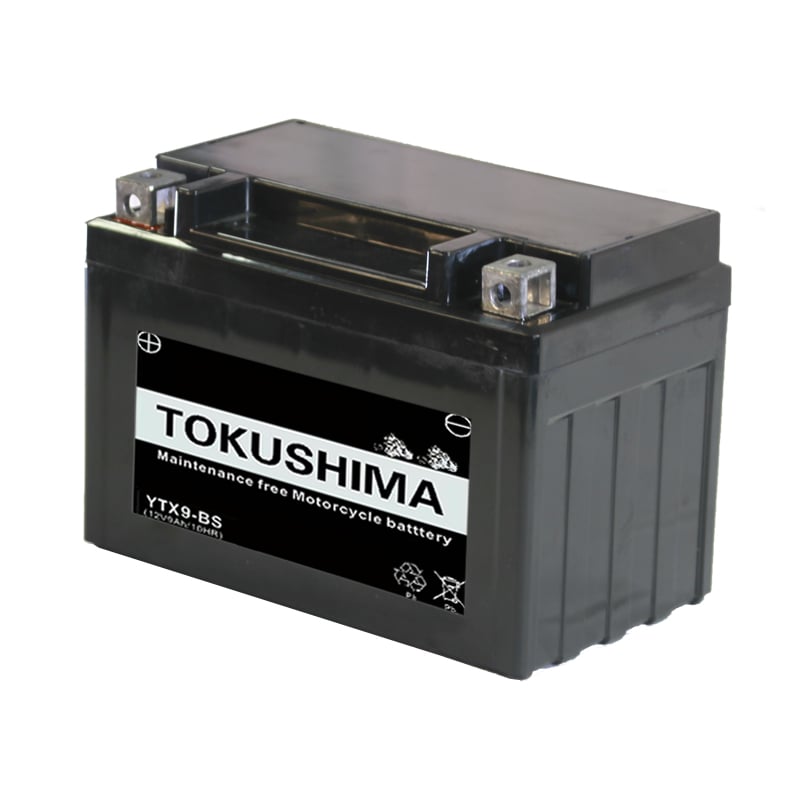
If you don’t want to use your motorcycle or ATV for a long time, it is extremely reasonable that you will need to disconnect the battery. This’ll help keep it from losing power and dying on you.
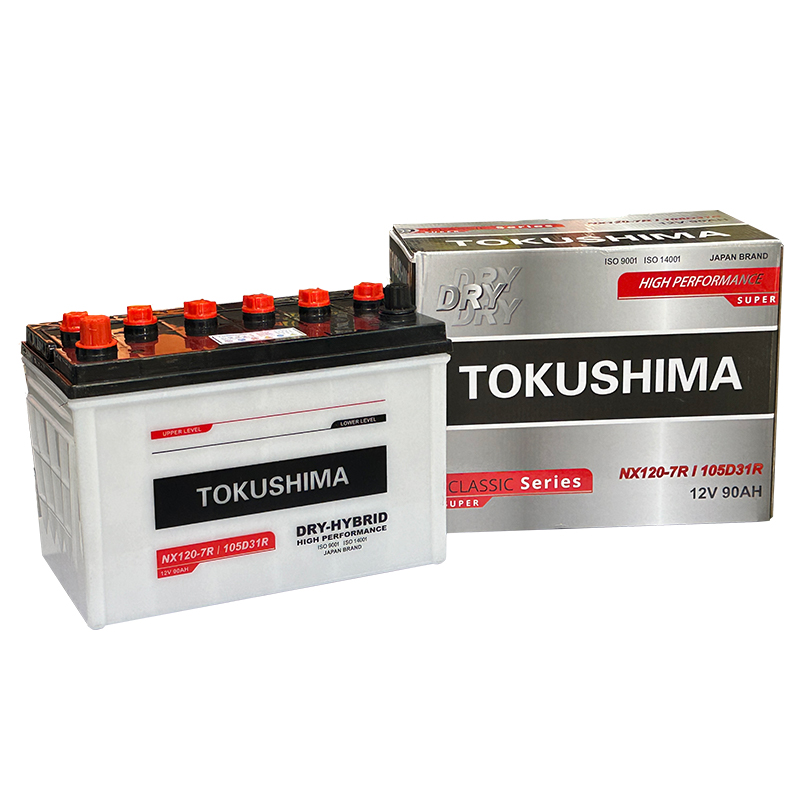
Lithium-ion batteries: They are lighter and smaller than lead-acid batteries. The LifePo4 & Lithium-Ion Battery also tend to last longer, which is a huge bonus. They do tend to cost more than their gas counterparts and require a special charger to function, though, so that’s something to consider.
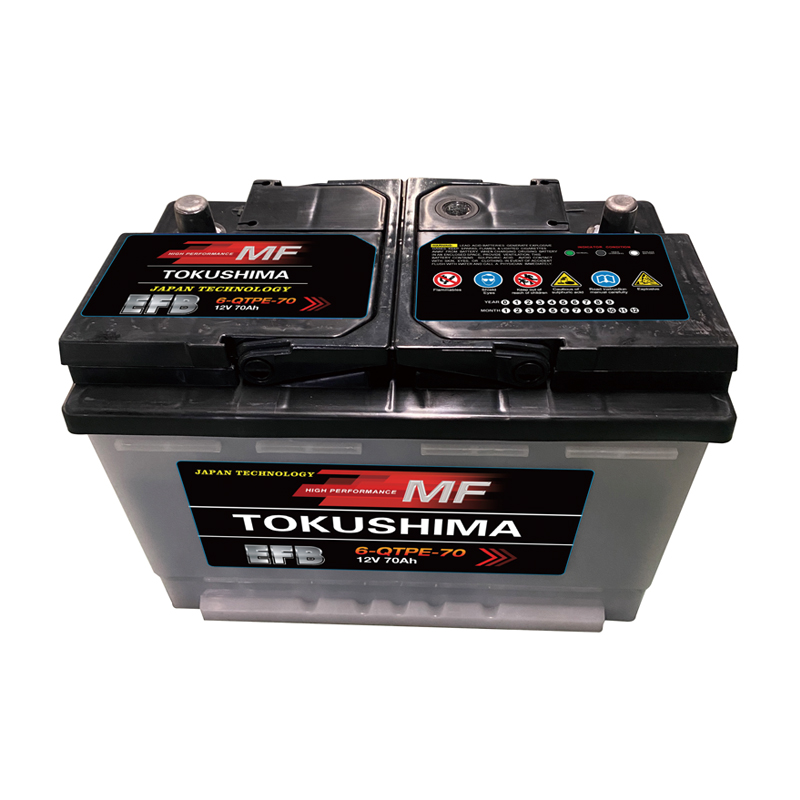
Gel batteries: These batteries use a gel rather than a liquid, making them more resilient to bouncing around too much or extreme temperatures. They do tend to cost more than lead-acid batteries, though, so it’s worth weighing your options.

Jozoking,Top global battery manufacturer. We provide you with automotive battery,lead acid battery deep cycle gel Agm battery, Lifepo4 and lithium battery.


Floor 3 Xuefu Building Xuefu Industrial Zone Jing Wu Town XiQing District TianJin China
Copyright © Jozoking (Tianjin) Technology Co, Ltd. All Rights Reserved | Privacy Policy | Blog


 EN
EN
 AR
AR
 BG
BG
 HR
HR
 CS
CS
 DA
DA
 NL
NL
 FI
FI
 FR
FR
 DE
DE
 EL
EL
 IT
IT
 JA
JA
 KO
KO
 NO
NO
 PL
PL
 PT
PT
 RO
RO
 RU
RU
 ES
ES
 SV
SV
 TL
TL
 ID
ID
 SR
SR
 SL
SL
 VI
VI
 SQ
SQ
 HU
HU
 TH
TH
 TR
TR
 MS
MS
 GA
GA
 MK
MK
 HY
HY
 AZ
AZ
 BN
BN
 MN
MN
 MY
MY
 KK
KK
 UZ
UZ
 JOZO GROUP